
We are a feminist research collective based at the University of Liverpool. We explore how gender, coloniality and environmental concerns shape histories, pedagogies and epistemologies in the built environment. Our historical research examines how spatial practices and professional knowledge are produced, circulated and contested across social and institutional contexts. Through collaborative and public-facing forms of engagement, we work with archives, heritage organisations, schools and cultural institutions to develop more inclusive histories of the built environment to bring overlooked voices and practices into wider public discourse.
about
Luca Csepely-Knorr is Chair in Architecture at the Liverpool School of Architecture. She is a chartered landscape architect (Chamber of Hungarian Architects) and art and architectural historian educated in Hungary (Corvinus University of Budapest and Eötvös Loránd University of Budapest) and in the UK (Manchester Metropolitan University). Her research focuses on the transnational histories of landscape and environmental history with a special focus on women’s contribution to shaping disciplinary agendas and the evolving social and ecological discourses of the 20th century. A former Lead in Education for the SAHGB, she is co-convener of the European Architectural History Network’s Women and Gender in Landscape, Architecture and Urban Design Interest Group with Professor Svava Riesto.
prof. luca csepely-knorr
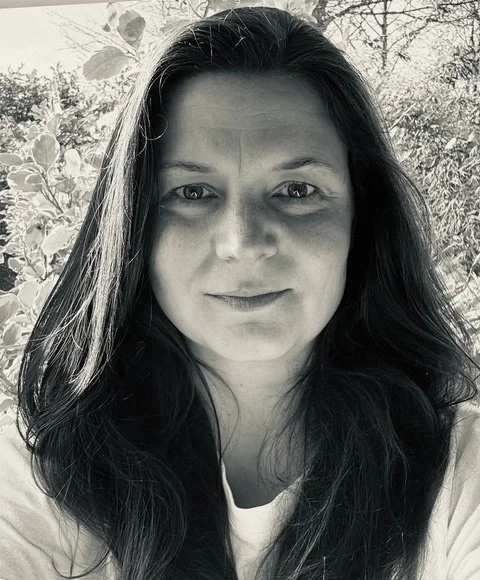
Juliana Yat Shun Kei is a Senior Lecturer at the Liverpool School of Architecture. Her research and teaching focus on unpacking coloniality in architecture. At the LSA, she helps retrieve the legacy of previously overlooked international and minority students and incorporates them in her teaching and research work. Her research interests including planning, housing, state, and neoliberalism in the Southeast Asian context.
DR. JULIANA YAT SHUN KEI
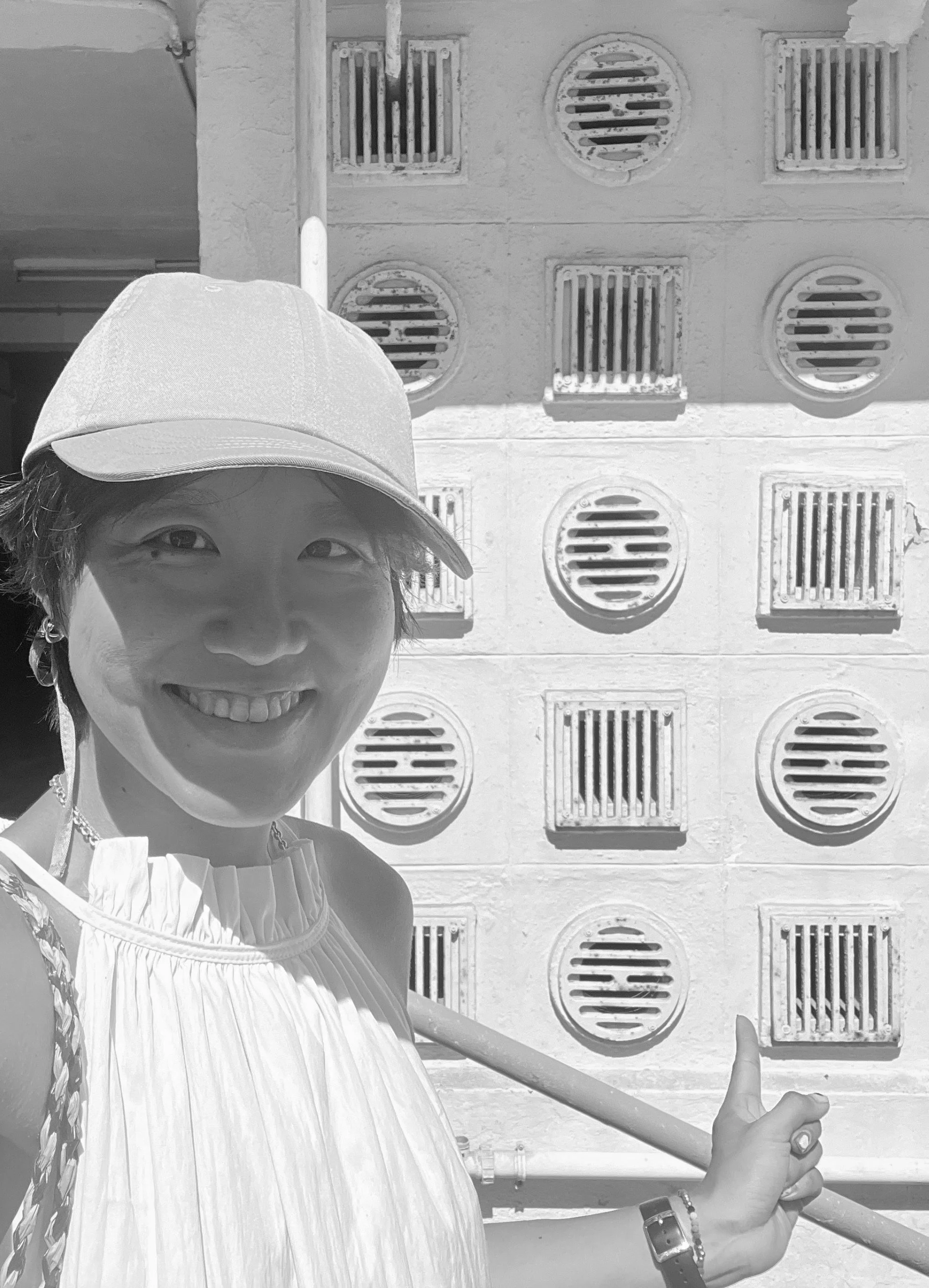
Emma Curtin is a registered architect and Senior Lecturer at the Liverpool School of Architecture. She leads Studio 2 in BA2 and has experience teaching architectural design from BA1 through to thesis level. Building on her earlier experience as Education Lead for the School of Architecture Emma is currently leading a project focussed on closing Awarding Gaps across the faculty for Humanities and Social Sciences. Emma’s research focuses on the lives of women at LSA in the 1920s and 30s
emma curtin

Joy is a Lecturer in Landscape Studies and Postdoctoral Research Associate at the Liverpool School of Architecture. Her research focuses on women and gender in landscape architecture history, with an emphasis on questions of professionalisation, collaboration, and interdisciplinarity, drawing on feminist and social-historical approaches. She also leads the Re/Forming Ecologies MArch 5 studio at LSA, exploring ecological, political and infrastructural systems through landscape-led design. She is an academic member of the Landscape Institute and on the editorial team of the Women’s History Network Journal.
dr. joy burgess
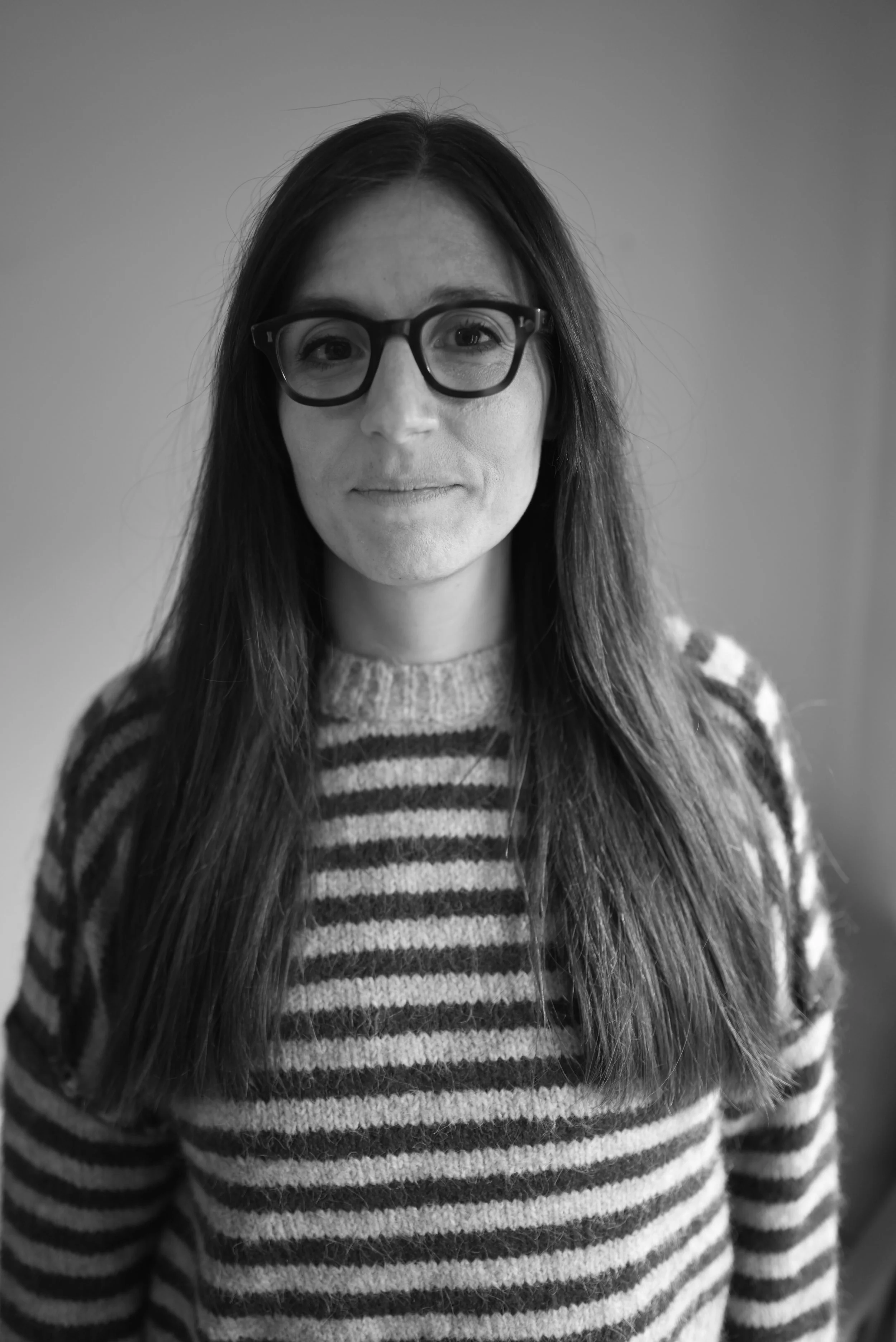
Charlotte is an independent researcher and chartered landscape architect with over 30 years’ experience in landscape design, research and conservation. She has extensive experience working in the private sector and on the planning side in local government (Historic England) and has worked in Italy, France, Germany and Australia. Her research is centred on questions of rural modernism and landscape as a critical agent of cultural change, within a Scottish context. She is currently a Trustee of the Landscape Research Group and since 2015 has worked in a voluntary capacity for her local community, on projects involving place, community, and participation.
dr. charlotte mclean
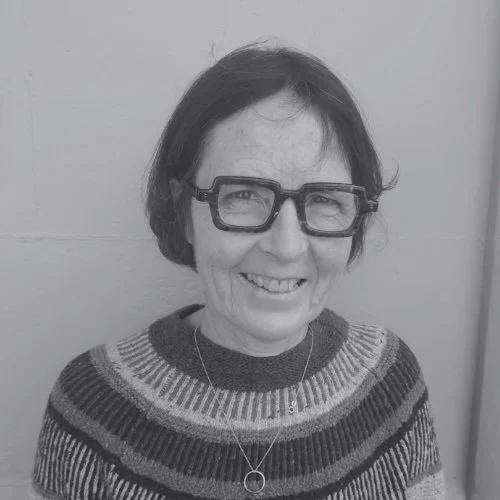
Laura is an architect, educator and creative practitioner whose work explores people, place, heritage and public engagement through collaborative and interdisciplinary practice. She jointly leads the Landscape Stories engagement programme at the Liverpool School of Architecture. Prior to this, she spent almost a decade as a Senior Lecturer at the Manchester School of Architecture and now works freelance on exhibitions, workshops, placemaking initiatives, and collaborative research projects.
Laura has published widely on architectural education, building reuse, contentious heritage, and the future of the high street. Through her role as Atelier Leader for Continuity in Architecture, she co-led a series of funded community-based projects across towns including Bollington, Bakewell, Rochdale, Shrewsbury, Bradford, and Preston, producing public design guides, exhibitions, installations, articles, and book chapters rooted in local narratives and contextual design.
laura sanderson

Helen Angell is a PhD student in Creative Writing and Architecture at the University of Liverpool. Her research explores the poetry, philosophy, and ecological thinking of Brenda Colvin, examining how Colvin’s writing informed her landscape architectural practice and articulated early environmental concerns. Through creative practice, fieldwork, and oral histories, the PhD also considers how poetry can memorialise post- industrial landscapes including Gale Common, Eggborough and Drakelow power stations. Helen has worked creatively with organisations including The Hepworth, Millennium Gallery, The Whitaker, and Manchester School of Architecture, often in collaboration with visual artists and musicians. Her poetr has appeared in publications such as The North, Strix, and The Modernist, and she co-runs the Sheffield Modernist Society.
helen angell

Josephine Sweeney is a PhD student at the Liverpool School of Architecture, in partnership with the Museum of English Rural Life. Her research examines the landscape planning of postwar reservoirs in England, considering the role of landscape architects and other actors. Drawing on interviews and archival material, the project seeks to unpick how the landscape of postwar reservoirs and changing understandings of nature, water and the environment mutually shaped one another. More broadly, Josephine’s research interests include landscapes of infrastructure and industry, toxic heritage and access to land.
Her MA dissertation, ‘Approaching Asbestos as Heritage’, which explored the legacies of asbestos, was awarded The Society for Post-Medieval Archaeology Postgraduate Dissertation Prize in 2021. She co-convened the Military Surplus’ CRASSH research network at the University of Cambridge, a two-year seminar and workshop series bringing together interdisciplinary scholars working on extraction, industry, contamination, and the hidden infrastructures sustaining military power. Josephine also works in museums and heritage learning and engagement.
JOSEPHINE SWEENEY
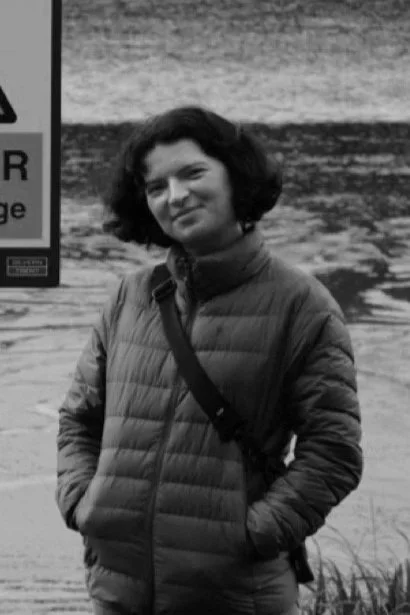
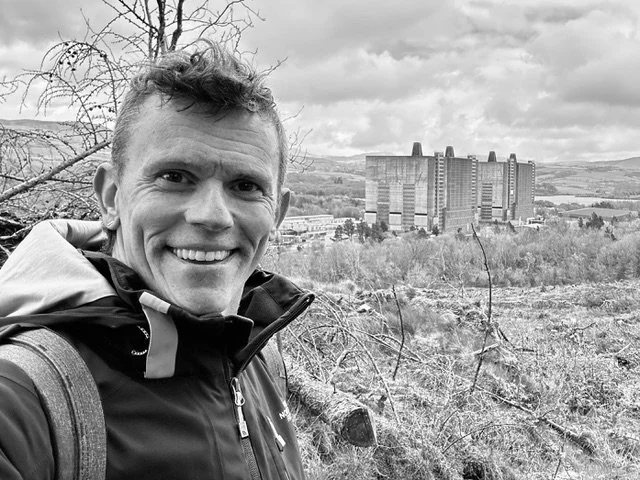
Peter is is an RIBA Chartered Architect and landscape designer undertaking a PhD at the Liverpool School of Architcture titled Landscapes of Atomic Optimism: Exploring the Past, Present, and Future of Energy Infrastructure through Visual Inquiry. The research examines the impact of Britain’s first civil nuclear reactor programme and the landscape projects of Dame Sylvia Crowe at Bradwell, Trawsfynydd, and Wylfa power stations.
Combining archival research with long-term photographic fieldwork, the study develops a cross-disciplinary methodology that uses photography, writing and drawing as forms of reflective analysis to explore the historical and contemporary significance of nuclear landscapes in the context of Britain’s transition to a zero-carbon future. Peter undertook his architectural studies at Oxford Brookes and Cambridge, where he also completed an M.Phil in Environmental Design. He is a member of the RIBA’s Validation Board for Schools of Architecture.
peter williams
COLLABORATORS
The Birmingham Botanical Gardens
The Gardens Trust
Women in Danish Architecture
Historic Environment Scotland
Society of Architectural Historians GB
The Garden Museum
The Modernist Society
Landscape Institute, United Kingdom
FOLAR